

Classic Trysts and Island Myths: Lore's Q1 Reads
We're on the road to 100, baby!

Warning: This is a long one, so view on the web or in the app for the best experience!
After years of a very inconsistent reading habit, I’ve decided 2026 is the year to catch up. I’ve challenged myself to read 100 books this year, and I’m right on track!1 I’m forcing myself to get through 25 every quarter to avoid a 40-book pileup in December when I’d rather be eating, drinking, being merry, et cetera. It was a great three months of reads, and I have some good ones lined up for Q2 (looking at you, copy of Lonesome Dove gathering dust on my nightstand). To stay out of the fiction-only habit I so often find myself in, I’m committing to six nonfiction books and three short story or poetry collections every quarter.
A note on ratings: I’m not in the mood to figure out how to do half- or quarter-stars on here, so here’s my imperfect system. In the words of one of our greatest minds (iykyk):
⭐️⭐️⭐️⭐️⭐️: 4.5 - 5
⭐️⭐️⭐️⭐️: 3.75 - 4.25
⭐️⭐️⭐️: 2.75 - 3.5
⭐️⭐️: 1.75 - 2.5 (didn’t have any of these! Maybe I need to be stricter…)
⭐️: 0 - 1.5 (none of these, either!)
Without further ado…🥁
⭐️⭐️⭐️⭐️⭐️
Lincoln in the Bardo
by George Saunders
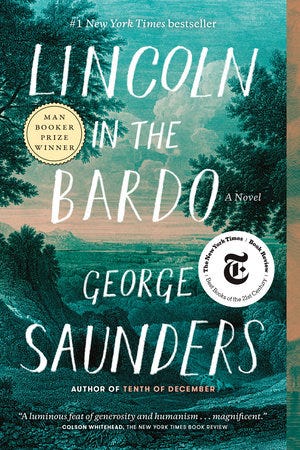
First book of the year, and what a way to start! I absolutely loved this. It’s such a treat to read something and know it’s going to be a classic for years to come. It had me thinking about death, reincarnation, love, and all that good stuff for hours after. It’s also just an incredible use of form. It felt silly to give my first book of the year five stars, but if you know, you know!
Women, Race & Class
by Angela Y. Davis
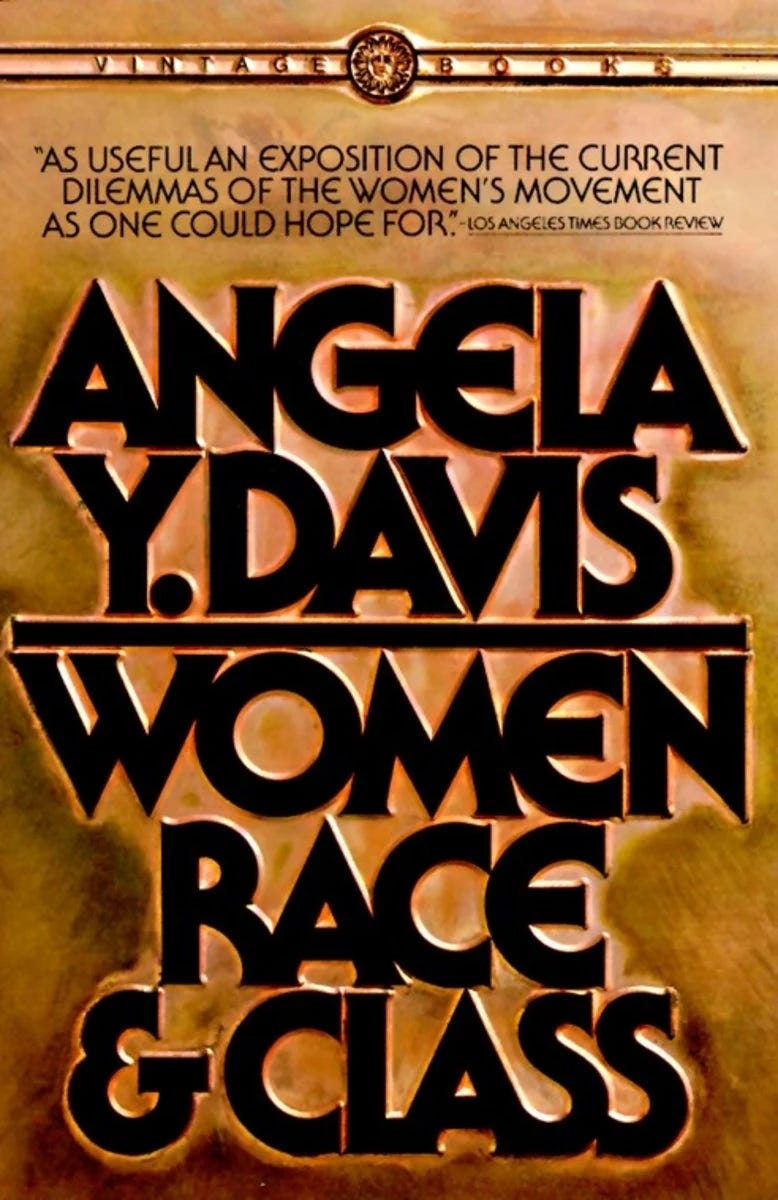
What is there to say that hasn’t already been said about thee Angela Davis? For being so dense and well-sourced, this was incredibly accessible. I knew vaguely of the racism in the suffrage movement, but the way Davis lays out the origins of the power struggle between gender, race, and class and its insidious effects to this day is so good. It’s nuanced and comprehensive and readable, and I highly recommend it as a place to start if you’re interested in how all of the “isms” intersect (you should be). My only complaint is that the switch between topics can be a bit abrupt.
The Secret History
by Donna Tartt
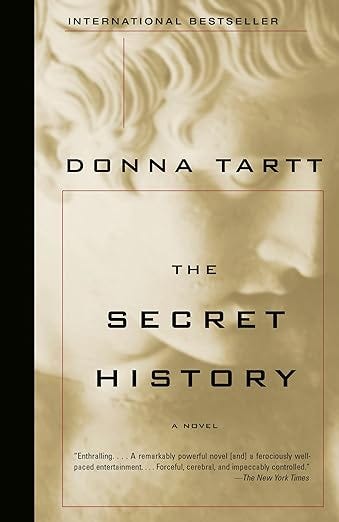
I’ve been wanting to read this forever, and it DELIVERED. My only regret is that I didn’t read it in a cozy sweater in the fall because of all the dark academia vibes. I was surprised to see it was the longest book I read this quarter, because it didn’t feel that way at all. From a less-skilled pen, all the Greek references and symbolism would have felt heavy-handed, but it was perfect. I will never forgive the directors of The Goldfinch for making a film so shitty that Donna Tartt vowed to never allow another adaptation of her work again. We’ve been robbed! Also, I hate Bunny. All the homies hate Bunny!
An Apprenticeship or the Book of Pleasures
by Clarice Lispector
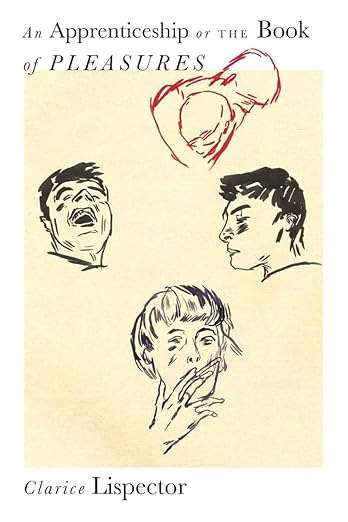
I am usually staunchly against books that are “no plot, just vibes,” but in Clarice Lispector’s capable hands, no real plot is needed. Every sentence is so meticulously crafted that I can’t imagine how someone could write just one of them, let alone a book’s worth. The precision with which she writes about the human experience makes me sure that she had a different set of words than the rest of us. No one did it like her!
The Rachel Incident
by Caroline O’Donoghue
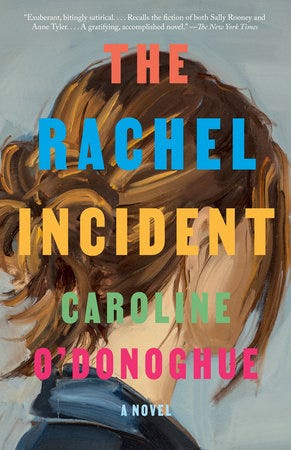
This was the last book I read of the batch, so how fitting I started with a bang (Lincoln in the Bardo) and ended with one, too! God, I love the Irish. This was such a fun twist on the campus novel. I laughed out loud several times, teared up a few more, and felt deeply and horrifically seen in at least three instances. This might be the being-in-your-twenties novel for me (I’m 30, but I live in New York City, so I’m 25. Everyone knows that!) I just learned it’s being adapted for TV, and I will be seated!
⭐️⭐️⭐️⭐️
In the Garden of Beasts: Love, Terror, and an American Family in Hitler’s Berlin
by Erik Larson
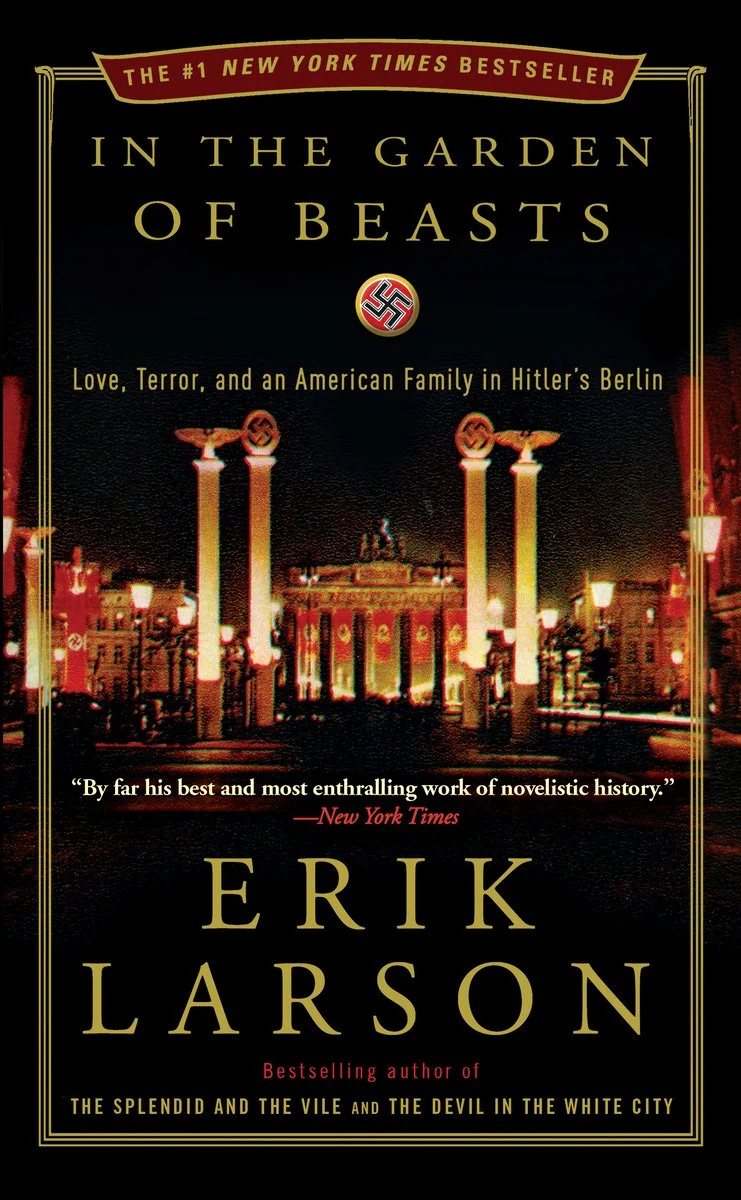
When I read this, I had honestly grabbed it off my shelf without considering its relevance, but WHEW. If you want a step-by-step guide to how fascism creeps into everyday life, look no further. Every sentence was horrifying in its descriptions of cruelty, but also (maybe more disturbingly) the banality of that evil. The fact that it was published in 2011 — during peak Obama years and before that man had descended into our lives via his stupid fucking escalator — made it even more effective, because it wasn’t written to draw parallels between Trump and Hitler. But they’re there nonetheless. It’s the same old playbook of pathetic men (and women) wielding the power of propaganda, the human tendency toward comfort over courage, and sheer hatred of Jews and everyone they deemed a threat to what they had so fragilely constructed out of little more than racism and hubris. And there’s no avoiding the clear mirroring of the genocide in Gaza, another atrocity overseas that the United States has willfully ignored and outright endorsed.
The Land in Winter
by Andrew Miller
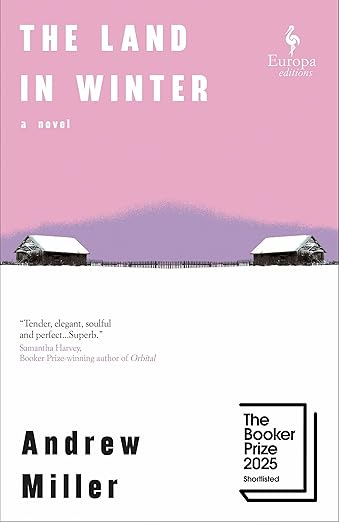
I was kind of mad I didn’t save this for a big snowstorm so I could really get into the mood, but wow, what a book. It’s very much vibes versus plot, but that’s not a problem when the prose is so beautiful (see: Clarice Lispector). I truly was immersed in this little corner of the world. My only critique is that one character’s backstory isn’t strongly hinted at enough early on to justify the events at the end. It felt a little uneven. Other than that…Andrew Miller, the man that you are!
On Beauty
by Zadie Smith
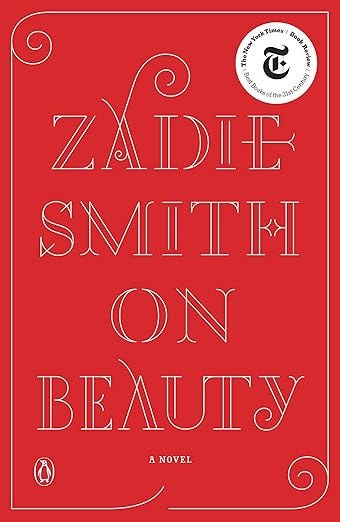
I really loved this! It’s 20 years old, but besides some dated pop culture references, it’s just as fresh today. It had huge character development and a really satisfying ending. I wish I could go back to college and read it for the first time — I love a good campus novel (see: my five stars for The Secret History). It was also just really, really funny.
Vladimir
by Julia May Jonas
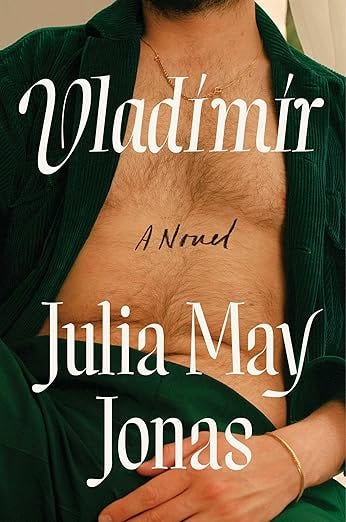
I usually roll my eyes when there’s yet another book about affairs in academia between writers — I get it, write what you know, but can we think of something else?? — but I actually really liked this! It was funny and dark and had some interesting things to say about power and agency. I haven’t watched the Netflix limited series yet, but I’m cautiously optimistic.
The White Hot
by Quiara Alegría Hudes
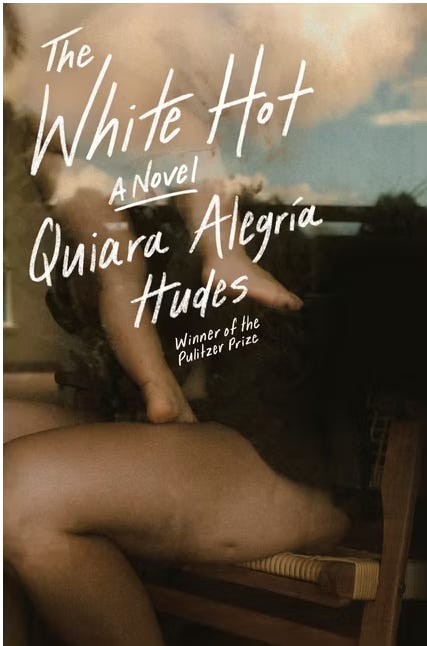
Full disclosure: I read this in one day (it’s relatively short) and so I probably could have given it more attention. That being said, although I was kind of meh on it after reading, it was completely elevated by my discussion with a book club at the Center for Fiction. Hudes is a poet and wrote the book for In the Heights, and it SHOWS in the language — it’s absolutely beautiful, but sometimes the theatre kid of it all really does jump off the page.
Lost Paradise: From Mutiny on the Bounty to a Modern-Day Legacy of Sexual Mayhem, the Dark Secrets of Pitcairn Island Revealed
by Kathy Marks
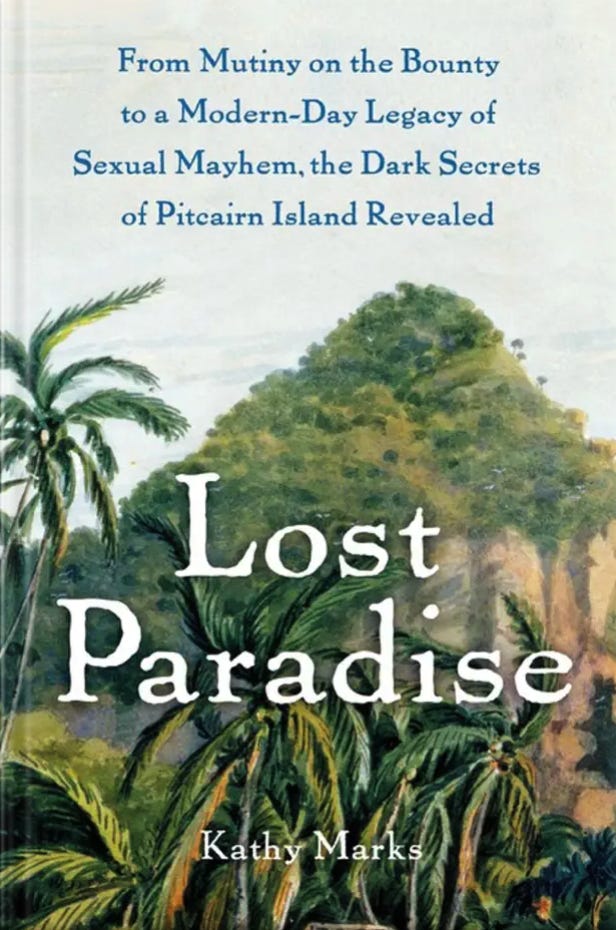
The Pitcairn islands and the #lore surrounding them are one of my obsessions, so I tore through this. In summary: Pitcairn is a super-isolated island that was established in the late 18th century by British mutineers and the Tahitian women they kidnapped. In the early 2000s, the majority of the island’s able-bodied men went on trial for sexual assault, which was rampant on the island of 50-odd people. This horrible trend was exacerbated by Pitcairn’s isolation and the culture of silence among the residents, most of whom are part of only four families and deeply rely on the island’s men to survive. The book is by a journalist who lived in Pitcairn for six weeks to cover the trials, and it’s such a stellar weaving of historical background, social commentary, and dispatches from everyday life on this strange little rock.
Lady Chatterley’s Lover
by D.H. Lawrence
Okay D.H. Lawrence, I was unfamiliar with your game! I was drawn in by the controversy (it was the subject of an obscenity trial in the 1960s) but stayed for the truly great writing and deep and sometimes irreverent observations about men and women and sex and desire. Honestly, I’m shocked a man wrote this — most of the book is from a female perspective, an upper-class woman who has an affair with a servant, and I think he killed it. Sexy and relatable and FUN! Also, every time he calls the female orgasm a “crisis” or refers to the “Venus mound,” I lose my mind.
F*ckface: And Other Stories
by Leah Hampton
Short story collections can be tricky, but I really loved this. I’m always a fan of an author who has a strong sense of place and isn’t afraid to use it. Hampton paints such a vivid picture of rural Appalachia without it seeming gimmicky (unlike a certain evil Care Bear with eyeliner currently occupying our nation’s highest office…) One story toward the end stuck out like a sore thumb, and though I appreciate she was trying to do something different, I think she didn’t need to for this collection to work.
The Lonely City: Adventures in the Art of Being Alone
by Olivia Laing
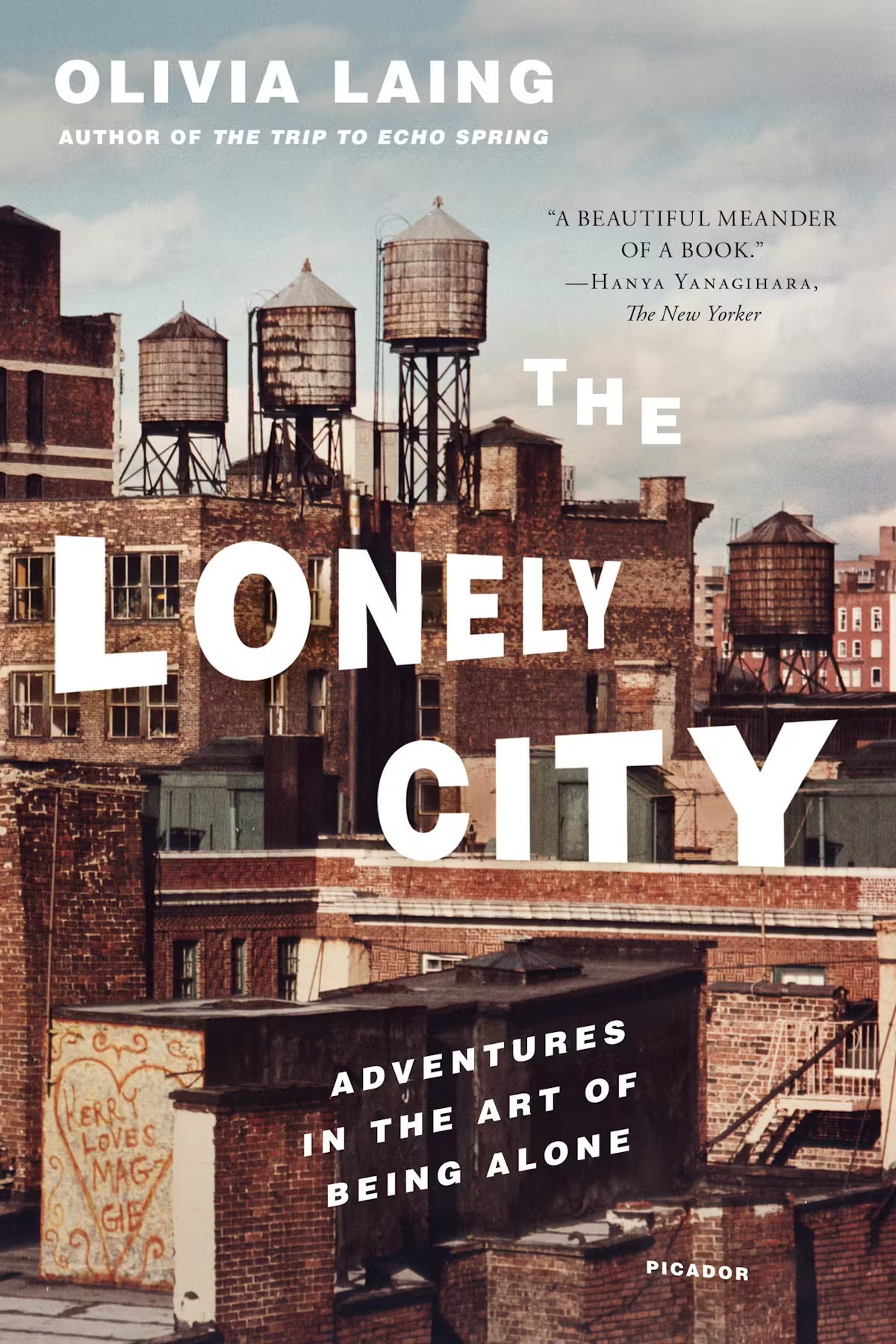
I’m not sure what I thought this would be about when I first picked it up for a book club, but it certainly wasn’t “loneliness through art” (I know it says “art” right there on the cover, but I thought it was a figure of speech.) Regardless, I really haven’t read anything like this book. It’s a combination of art history lesson, memoir, and anthropological study, and I loved it. Each chapter features a different artist or movement (like Warhol or the digital revolution) and examines its relationship with loneliness, particularly in a big city. I especially enjoyed the chapter about outsider art. My main critique (and that of my book club) was that there are oddly very few women mentioned. Their absence was very glaring, and I think Laing missed an opportunity to explore how women experience loneliness compared to men.
The Poisonwood Bible
by Barbara Kingsolver
I’ve been wanting to read this forever, and I’m so glad I finally locked in and did it. I found a lot of spiritual parallels with The Poisonwood Bible and East of Eden, which is perhaps my favorite book of all time. It’s an epic in every sense of the word, about sin, redemption, family, colonialism, the list goes on. Some of the romanticization of Africa (as a concept, rather than a place) is a little aggressive, and I think the jump forward in time toward the end could have been shortened without much lost.
A Manual for How to Love Us: Stories
by Erin Slaughter
I picked this up from a friend in publishing who was giving away a bunch of old promo copies, and only reached for it when I realized I hadn’t yet read a short story collection for March. And I’m so glad I did! Slaughter has such a lived-in way of writing, and each story felt like its own universe in a way that’s tough to pull off. Around the middle she tried something a little experimental, but it fell flat compared to the others. Her writing is at its best when it’s simple.
⭐️⭐️⭐️
Cultish: The Language of Fanaticism
by Amanda Montell
I wanted to absolutely love this, but I was a little disappointed. This is partially because I already knew a lot about the topic as a cult connoisseur (patent pending), but the tone also wasn’t my favorite. It felt like Montell would start with one thought, jump to something else, and not return to the first idea. I do think the second half and the parts about the cult of consumerism were a lot more compelling. Still, I read it as part of the Lowbrow Book Club on here and the discussion made it more than worth the read!
Wuthering Heights
by Emily Brontë
Don’t cancel me, but I did NOT love this. It was definitely Gothic, but the romance left a lot to be desired. There was no one to root for and not enough information to justify why these terrible people are obsessed with each other! It did make me want to visit the moors, and the language was beautiful. Also, this means I can fully enjoy that batshit movie because I didn’t really like the book anyway! (Note: I wrote this before seeing the movie, and can confirm that 1. I did enjoy it and 2. It was indeed batshit.)
Filthy Animals
by Brandon Taylor
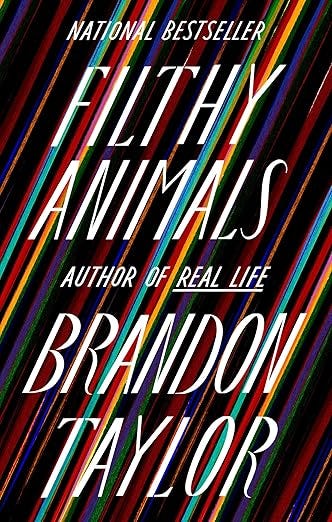
Like I said above, short story collections are hard, because they can vary so widely in quality from piece to piece, but I thought most of these were strong, if not groundbreaking. I very much prefer when stories are all linked in some way or exist in the same universe, like these were. Also, Taylor gets points for basing it in the Midwest and not NYC — less stories about being a writer in the city, for the love of God!
The Buried Giant
by Kazuo Ishiguro
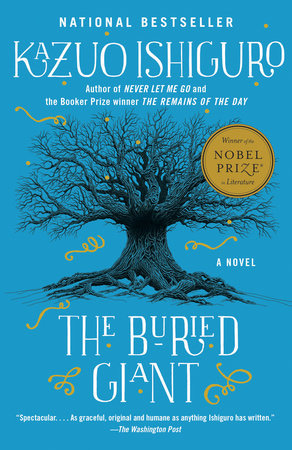
I’m pretty staunchly anti-fantasy, but it’s debatable whether this even fits the bill (Ursula Le Guin called reading it “painful,” lmao.) Either way, it was cute! It felt like reading a fairy tale before bed as a kid. It’s a beautiful love story, too. I learned at book club that I did NOT pick up on some of the subtext though (whoops)! Apparently, an adaptation by Guillermo del Toro is in development hell, and I hope it makes it out because I know he could do something incredible with the material.
A Tale of Two Cities
by Charles Dickens
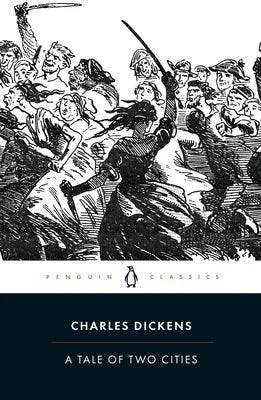
Every holiday season, my family piles into the TV room to watch the 1984 adaptation of A Christmas Carol, starring George C. Scott. I’d argue it’s the best rendering of the work (The Muppet Christmas Carol notwithstanding). All of this is to say that A Christmas Carol’s position as my favorite Dickens work remains uncontested. Honestly, I don’t have many strong feelings about A Tale of Two Cities, which is one of the worst things I could say about a book. Even with SparkNotes open to consult after every chapter, I was underwhelmed. Still, I imagine reading it as weekly newspaper installments in 1859 London was a wholly different experience. I bet that twist at the end had them gagged!
Information Age
by Cora Lewis
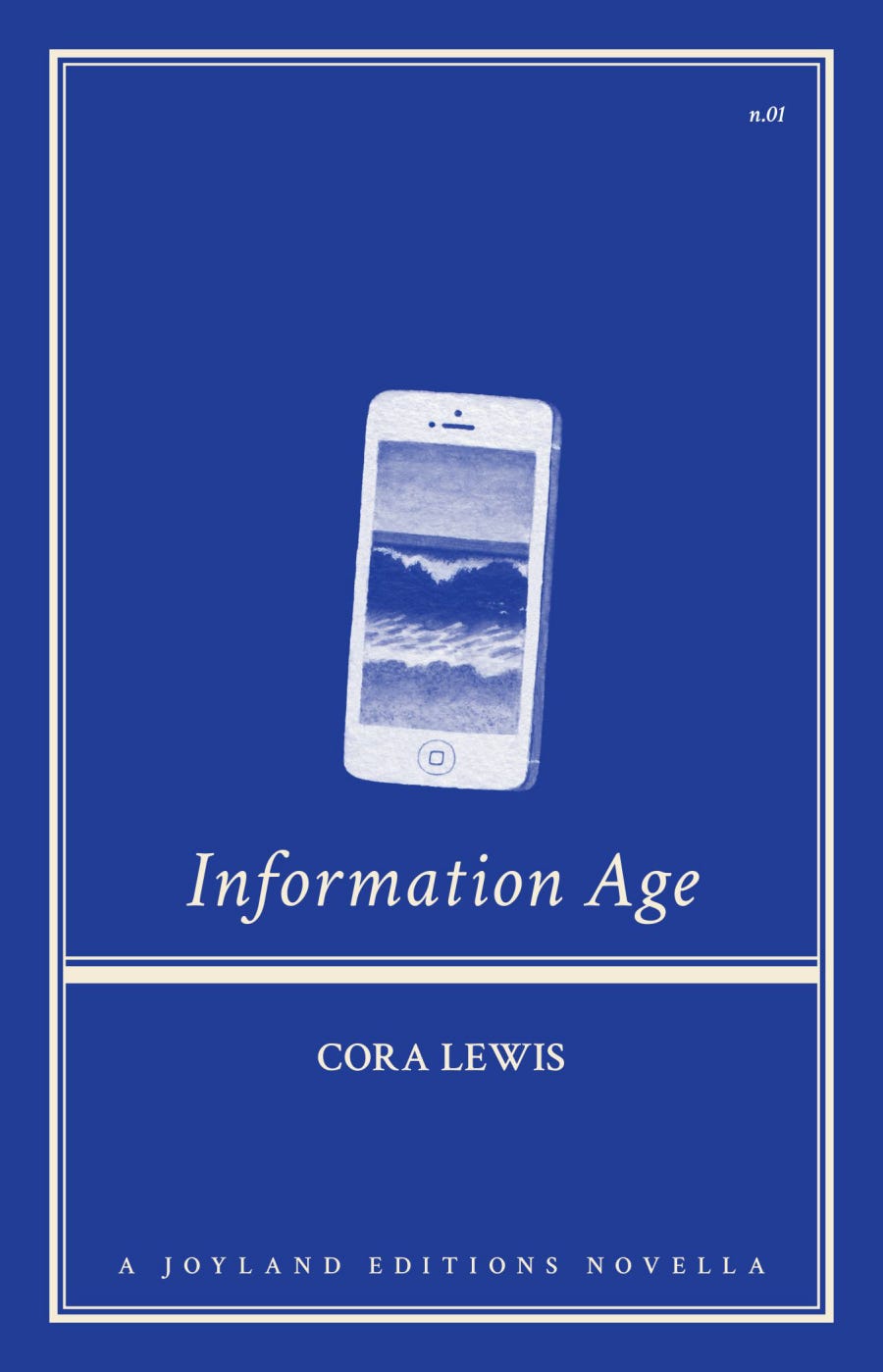
I can appreciate Information Age for capturing what it’s like to be a writer/journalist covering 2010s politics in the big city. But I was there, doing the same thing! So I found it less interesting. I think it’s more of a cultural artifact that will be relevant in years to come, which is no small feat. I also like that Lewis correctly chose this story to be a novella. This topic would have languished in the long form. Brevity is a lost art!
White Noise
by Don DeLillo
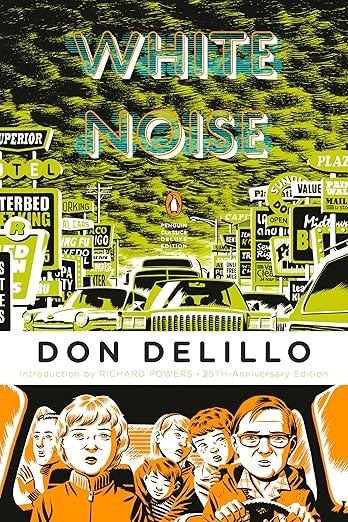
I hammered this one out in one day at my local dive-adjacent bar after wanting to read DeLillo for a while. I generally find this kind of satirical, darkly funny lit really appealing, but something about it fell a little flat for me. The topics — consumerism, environmental collapse, the family unit — were all really interesting, but I was surprised to find I didn’t think much about the book once I finished. I’m planning on watching the movie, though, so maybe that will make a difference.
On the Calculation of Volume I
by Solvej Balle
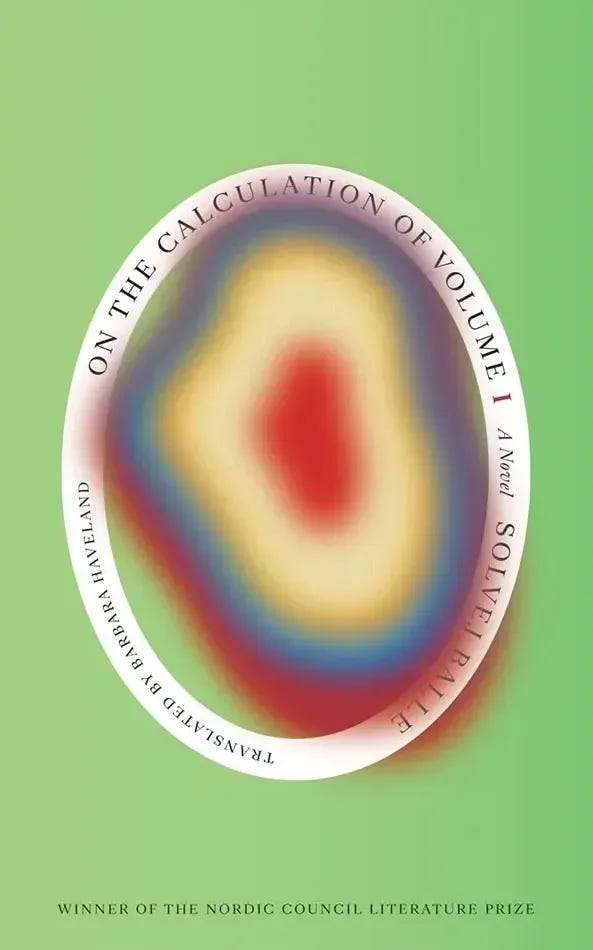
This one is hard to rate, because it’s one in a series of seven (and the last four haven’t even been published in English yet). For those unfamiliar, it’s basically Groundhog Day, if it was more of a bummer and originally written in Danish. My ultimate conclusion is that the narrator is a much stronger woman than I — if I was endlessly repeating the same rainy November day, I would have exited this mortal plane like three months in. Since this book seems to be laying the groundwork for the rest, I’ll give it the most non-committal of ratings: 3 stars!
Serpent in Paradise
by Dea Birkett
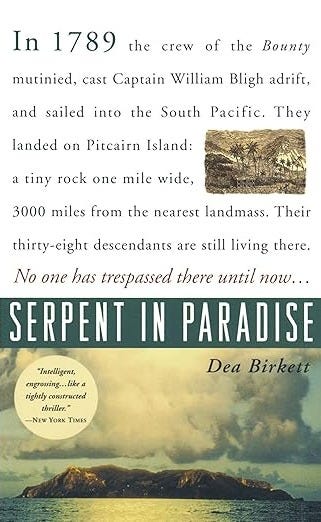
Another hard one to rate! I gave the other book I read on the topic, Lost Paradise, four stars, but I very well could have given this one a similar rating if it had come first instead. I just already knew a lot. Still, like I mentioned in my review of Lost Paradise, the Pitcairn Islands are one of my favorite rabbit holes, so I enjoyed this regardless. I’m working on an essay about how the mythology (some might call it lore) behind Pitcairn allowed crime to flourish, and how idealized visions of the past give us an excuse to overlook some of the not-so-rosy parts of history. Stay tuned!
Favorite lines
We were perhaps not so unlovable as we had come to believe. — Lincoln in the Bardo
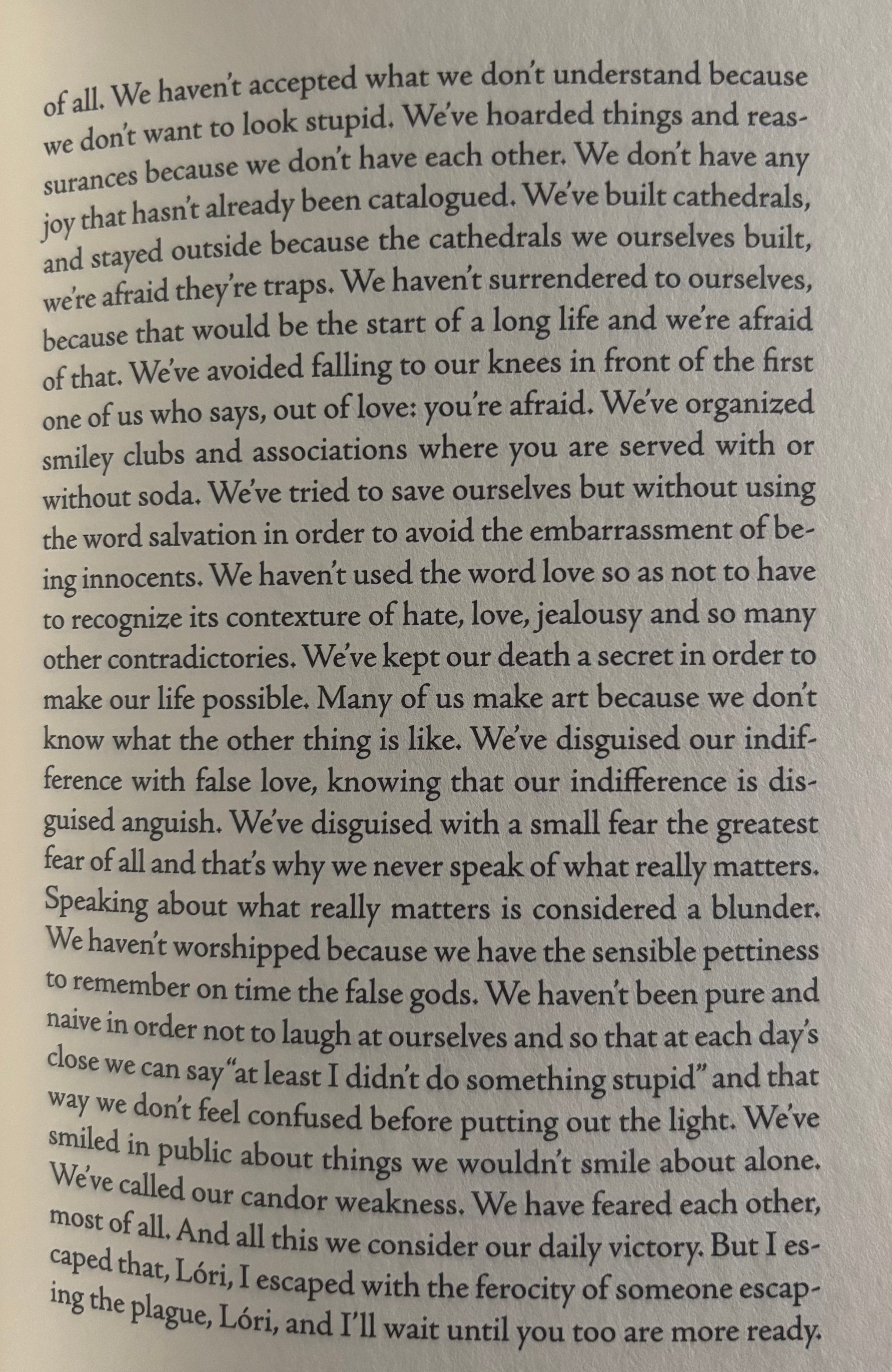
— An Apprenticeship or the Book of Pleasures
I don’t know who I was trying to impress. I did not want a boyfriend; I did want romance. I wanted passion; I did not want to be someone who was known as easy. I was desperate to be touched; I was terrified of being ruined. — The Rachel Incident
“One might think,” [William Dodd, American ambassador to Germany during the Nazi era] wrote, “the Germans believed in Jesus or practiced his teachings!” — In the Garden of Beasts
Last on Earth, first on Mars. Either way, abandoned. — The Land in Winter
Perhaps it was this idea of self-expression and this thought that if we were fully to release this sadness, or if we were to alter it too much — if we were to give up all the obsessions and anxieties that caused us pain — then we would become a kind of person we disdained, someone content with an abstract idea of the littleness of their lives. — Vladimir
But how, God? How can love look like leaving? — The White Hot
“We’ll have the bad [memories] come back too, even if they make us weep or shake with anger. For isn’t it the life we’ve shared?” — The Buried Giant
All the great words, it seemed to Connie, were cancelled for her generation: love, joy, happiness, home, mother, father, husband, all these great dynamic words were half-dead now, and dying from day to day. — Lady Chatterley’s Lover
I love that statement [from Close to the Knives by David Wojnarowicz], loved especially the final line. I saw him freeing me from the silences of the interior life. That’s the dream of sex, isn’t it? That you will be liberated from the prison of the body itself, at long last desired, its strange tongue understood. — The Lonely City
I wonder what you’ll name my sin: Complicity? Loyalty? Stupefaction? How can you tell the difference? Is my sin a failure of virtue, or of competence? I knew Rome was burning, but I had just enough water to scrub the floor, so I did what I could. — The Poisonwood Bible
Give or take a week, sue me!
Since you are a somewhat fan of the 70s, try some of the Flashman novels by George Macdonald Fraser. Not PC but ripping yarns with a lot of history thrown in. Also the Wolf Hall trilogy if you haven’t read it yet. And for hard history Armageddon by Max Hastings or The Last Place on Earth by Roland Huntford.